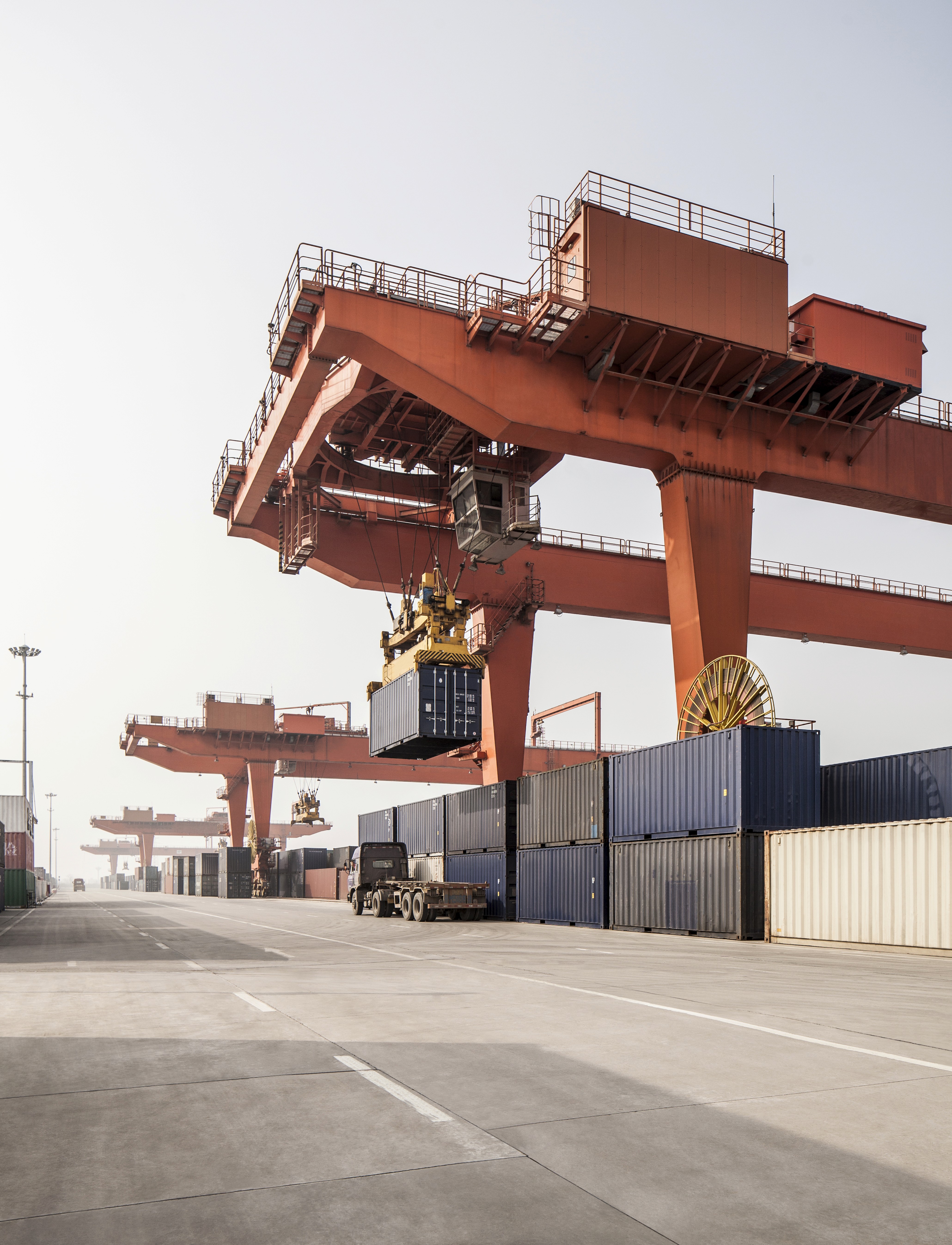
India’s logistics sector is entering a decisive growth phase and is projected to touch USD 800 billion by 2030, contributing nearly 11% to the country’s GDP, according to recent industry estimates. Driven by policy reforms, infrastructure upgrades, and rapid digitisation, logistics is fast emerging as one of the strongest enablers of India’s global trade ambitions.
As India moves toward its $5 trillion economy target, logistics efficiency is no longer a backend function—it is a national economic priority.
Why India’s Logistics Sector Is Growing Rapidly
The sector’s expansion is being powered by four key pillars:
Government-led structural reforms
Technology and digital infrastructure
Multimodal transport and connectivity
Workforce expansion and skill development
A critical insight from recent studies shows that a 1% reduction in logistics costs could save India nearly USD 15 billion annually, highlighting the massive upside of efficiency improvements.
Policy Reforms Transforming Indian Logistics
National Logistics Policy (NLP)
The National Logistics Policy has introduced a unified approach to reduce logistics costs and improve coordination across ministries and stakeholders.
Key digital enablers under NLP include:
Unified Logistics Interface Platform (ULIP) for real-time data exchange
Logistics Data Bank (LDB) for cargo visibility and tracking
These platforms are improving predictability, transparency, and turnaround times across supply chains.
PM GatiShakti Master Plan
The PM GatiShakti has revolutionised infrastructure planning by integrating 57 ministries and states/UTs across 1,700+ data layers.
This has enabled:
Better multimodal connectivity (road, rail, air, ports)
Faster project approvals
Reduced infrastructure bottlenecks
Smarter logistics corridor planning
Infrastructure & Trade Digitisation Push
Several complementary initiatives are accelerating sector-wide modernisation:
Port modernisation under the ₹25,000 crore Maritime Development Fund
Bharat Trade Net (BTN) to centralise trade documentation, finance, and cross-border transactions
GST implementation, which eliminated interstate checkpoints and reduced average transit times by 33% since 2017
Together, these reforms are making Indian logistics faster, leaner, and globally competitive.
Employment and Workforce Expansion
India’s logistics sector already employs over 22 million people across:
Transportation
Warehousing and storage
Cold chain logistics
Last-mile delivery
With growing demand, an additional 10 million jobs are expected by 2027, making logistics one of India’s largest employment generators.
Closing the Cost Gap with Global Standards
Currently, logistics costs account for 13–14% of India’s GDP, compared to the global average of 8–9%. This gap represents both a challenge and a massive opportunity.
With continued investments in:
Logistics parks
Multimodal corridors
Digital freight platforms
Green and sustainable logistics policies
India is well-positioned to narrow this gap and unlock billions in economic value.
What This Means for Indian Businesses
For exporters, manufacturers, and supply-chain-driven enterprises, this growth translates into:
Faster market access
Lower freight and transit costs
Better visibility and compliance
Easier global expansion, especially for SMEs
Logistics is no longer just a support function it is a strategic differentiator for Indian businesses competing globally.
Final Takeaway
India’s logistics sector is on a clear upward trajectory toward an $800 billion valuation by 2030, backed by policy clarity, infrastructure investment, and digital transformation. As efficiency improves and costs decline, logistics will play a central role in powering trade, manufacturing, and India’s rise as a global economic force.
For businesses that move early, the opportunity is not just growth but long-term competitive advantage.