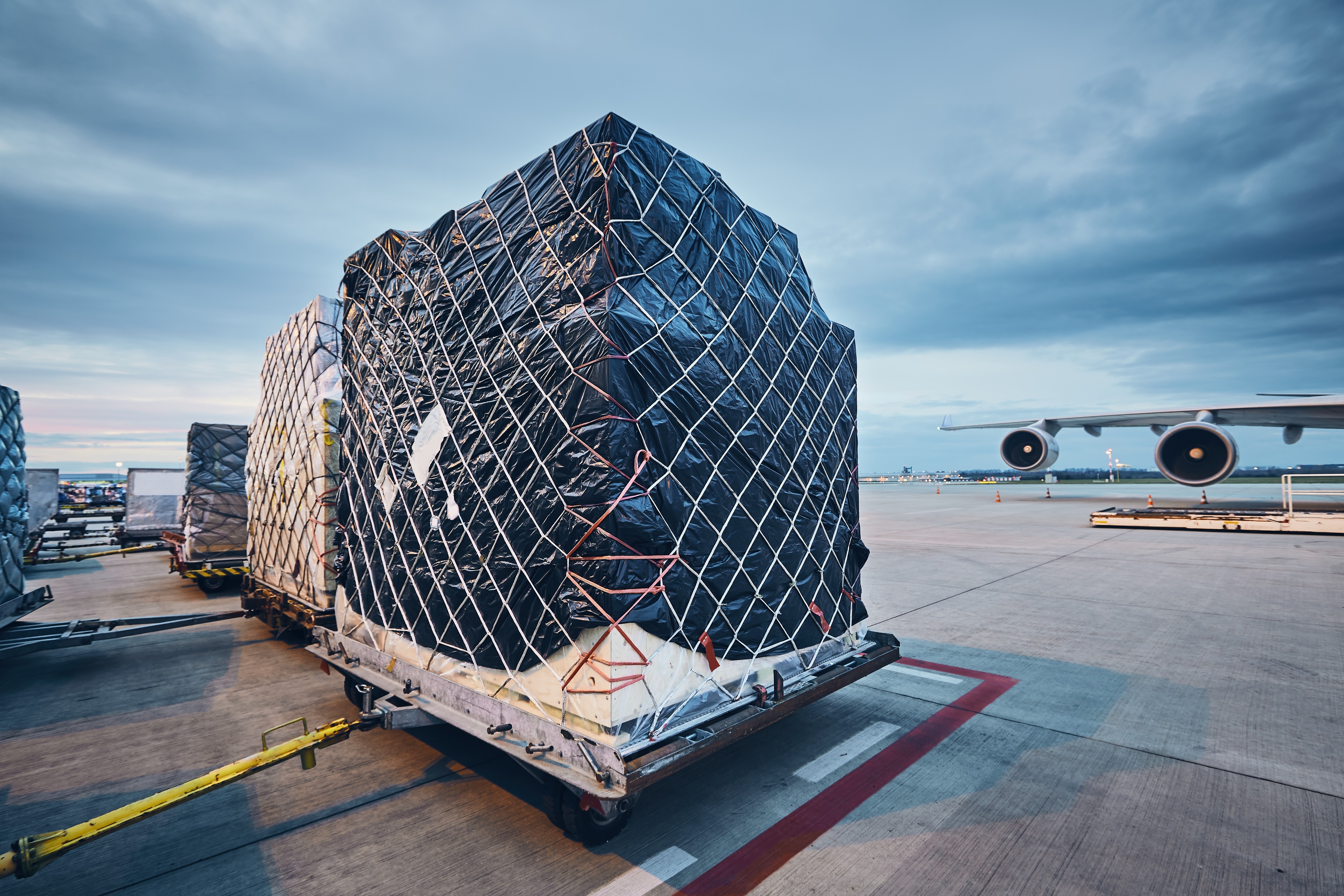
In today’s fast-moving global trade environment, air freight has become the backbone of time-sensitive and high-value supply chains. For Indian businesses operating across international markets, air cargo offers unmatched speed, reliability, and control making it a critical logistics solution rather than a premium alternative.
As India strengthens its position as a global manufacturing and export hub, air freight is playing a decisive role in enabling faster market access and resilient supply chains.
Why Air Freight Is Critical for Indian Businesses
Air freight is preferred when time is non-negotiable and cargo value is high. Industries such as pharmaceuticals, electronics, automotive components, fashion, and perishables rely heavily on air cargo to meet strict delivery timelines and quality standards.
Key reasons businesses choose air freight include:
Fast transit times across global destinations
Reduced inventory holding costs
Higher cargo security and lower risk of damage
Predictable schedules and better shipment visibility
For exporters facing tight production cycles or seasonal demand, air freight ensures continuity without compromising service levels.
India’s Growing Air Cargo Ecosystem
India’s air cargo capacity has expanded rapidly over the past decade, supported by:
Increased freighter aircraft operations
Expansion of international airport cargo terminals
Growth of pharma and electronics exports
Policy focus on improving ease of doing business
Major Indian gateways are now equipped to handle specialised cargo, including temperature-controlled shipments, dangerous goods, and high-value consignments.
Types of Air Freight Shipments
Air freight solutions are typically tailored based on urgency and cargo characteristics:
Express Air Freight – For urgent, time-critical shipments
Standard Air Freight – Cost-optimised options with reliable transit times
Charter Services – Dedicated aircraft for oversized or critical cargo
Temperature-Controlled Cargo – Pharmaceuticals, vaccines, perishables
High-Value & Sensitive Cargo – Electronics, luxury goods, prototypes
Choosing the right air freight option ensures the optimal balance between speed, cost, and compliance.
End-to-End Air Freight: More Than Just Flying Cargo
Effective air freight goes beyond airline bookings. It requires end-to-end coordination, including:
Export and import documentation
Customs clearance and regulatory compliance
Cargo handling and screening
Ground transportation and last-mile delivery
Real-time shipment tracking and updates
A well-managed air freight operation minimises delays, avoids penalties, and ensures cargo reaches its destination exactly when needed.
Air Freight and Global Trade Resilience
Recent disruptions in global supply chains have reinforced the importance of agile logistics. Air freight provides businesses with:
Flexibility during port congestion or shipping delays
Faster recovery from supply chain disruptions
Reliable access to international markets during peak demand
For Indian exporters expanding into Europe, the Middle East, Africa, and Asia-Pacific, air freight remains a strategic enabler of global growth.
Final Takeaway
Air freight is no longer just about speed it is about control, reliability, and competitive advantage. As India’s trade volumes grow and delivery expectations tighten, businesses that integrate air freight strategically into their supply chains will be better positioned to compete globally.
For companies dealing with high-value, time-sensitive cargo, air freight remains the fastest route to market and a critical pillar of modern logistics strategy.